In June and July, a handful of diplomatic history enthusiasts (and many more people in Panama) marked the 200th anniversary of the first diplomatic conference in the Western Hemisphere, the 1826 Congress of Panama. After participating during the last two months in various discussions and reflections on the Congress and its legacies (both of which feature in our forthcoming book), my co-author Carsten and I wrote an essay for Foreign Policy, entitled “The Other American Anniversary.” This was something of a capstone after an event at Cambridge, a trip to Panama, and a high-level discussion of inter-American relations today.
First proposed by Simón Bolívar as a way to fend off European attempts at reconquest–independence in the former Spanish colonies was only a few years old and tenuous–the conference also aimed to create a sort of league of perpetual peace among the signatories. After some debate, the United States was invited despite Bolívar’s initial reticence. Many in the U.S. were even more hesitant, not least because the conference proposed a ban on the slave trade. A huge debate erupted in the U.S. Congress. Henry Clay was enthusiastic, imagining great opportunities in U.S.-Latin American relations. Others, much less so. Senator John Randolph was scandalized at the notion that U.S. diplomats would consort with Catholic Spanish American diplomats, sitting “beside the native African, their American descendants, the mixed breeds, the Indians, and the half breeds, without any offence or scandal at so motley a mixture.” Eventually the United States did decide to send two representatives. One died on the way (international travel in 1826 was not to be taken lightly) and the other arrived after the meeting ended. It was not the most auspicious beginning to inter-American relations. Among those who arrived and participated, they negotiated remarkably ambitious treaties, full of innovative ideas for reimagining international relations. Unfortunately, only the host countried ratified them.
Still, the Congress of Panama became a frequent reference point, and something of an empty signifier. At one moment, George W. Bush proclaimed it the fountainhead of Pan Americanism and the Organization of American States. The next, Venezuela’s Hugo Chávez (who called Bush the devil in the UN Assembly no less), said that 1826 was the start of Latin America’s anti-imperial and anti-U.S. tradition.
In short, the bicentenary of the Congress of Panama is an opportune moment for reflection on the current, turbulent state of affairs in the Americas. I’ve been doing just that over the last couple of months. On May 7, my collaborator Carsten-Andreas Schulz organized a workshop on the Congress at Cambridge University. It included a keynote by Panama’s Vice Minister of Foreign Affairs, Carlos Guevara Mann (himself a Bolívar devotee).
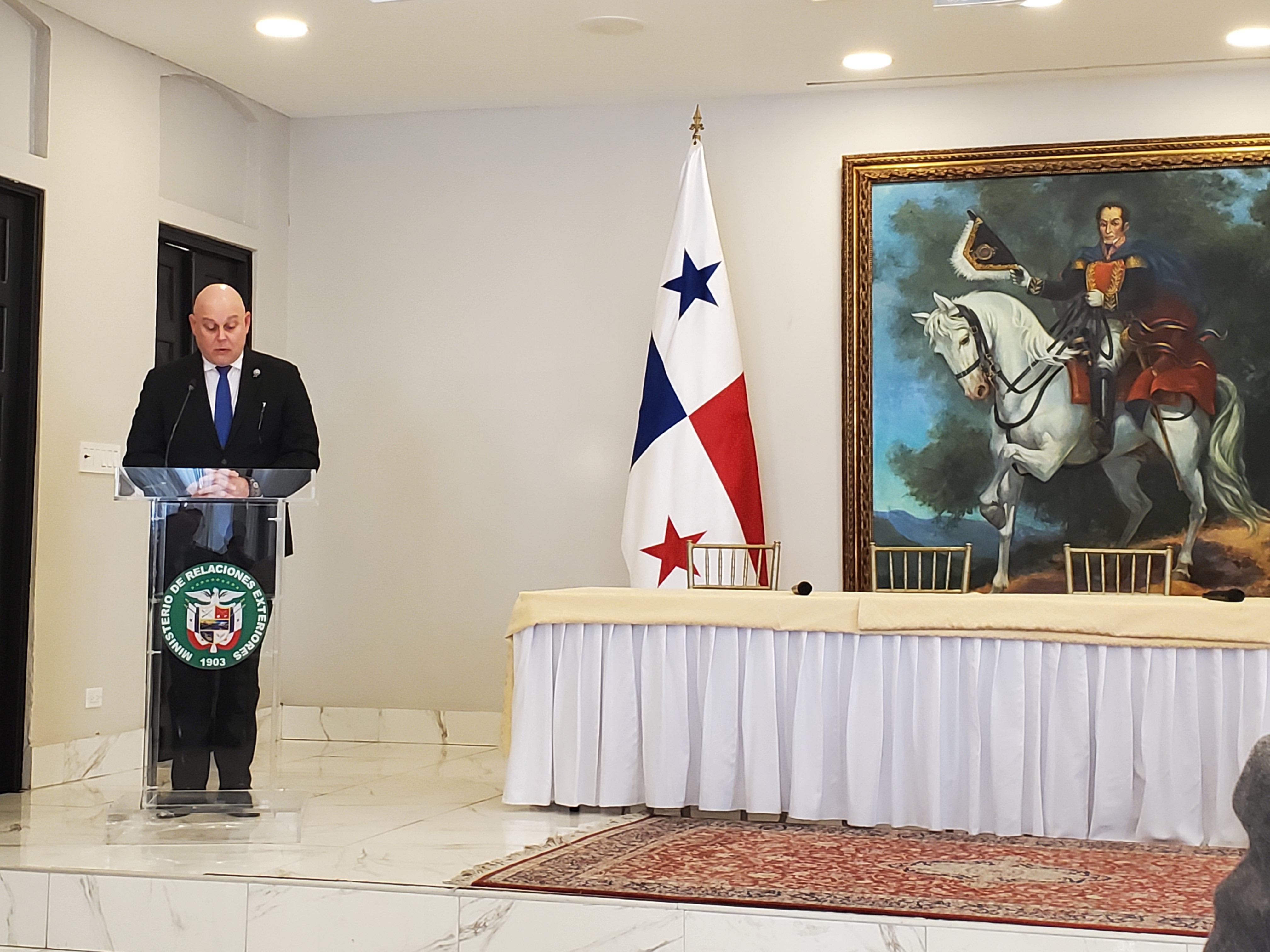
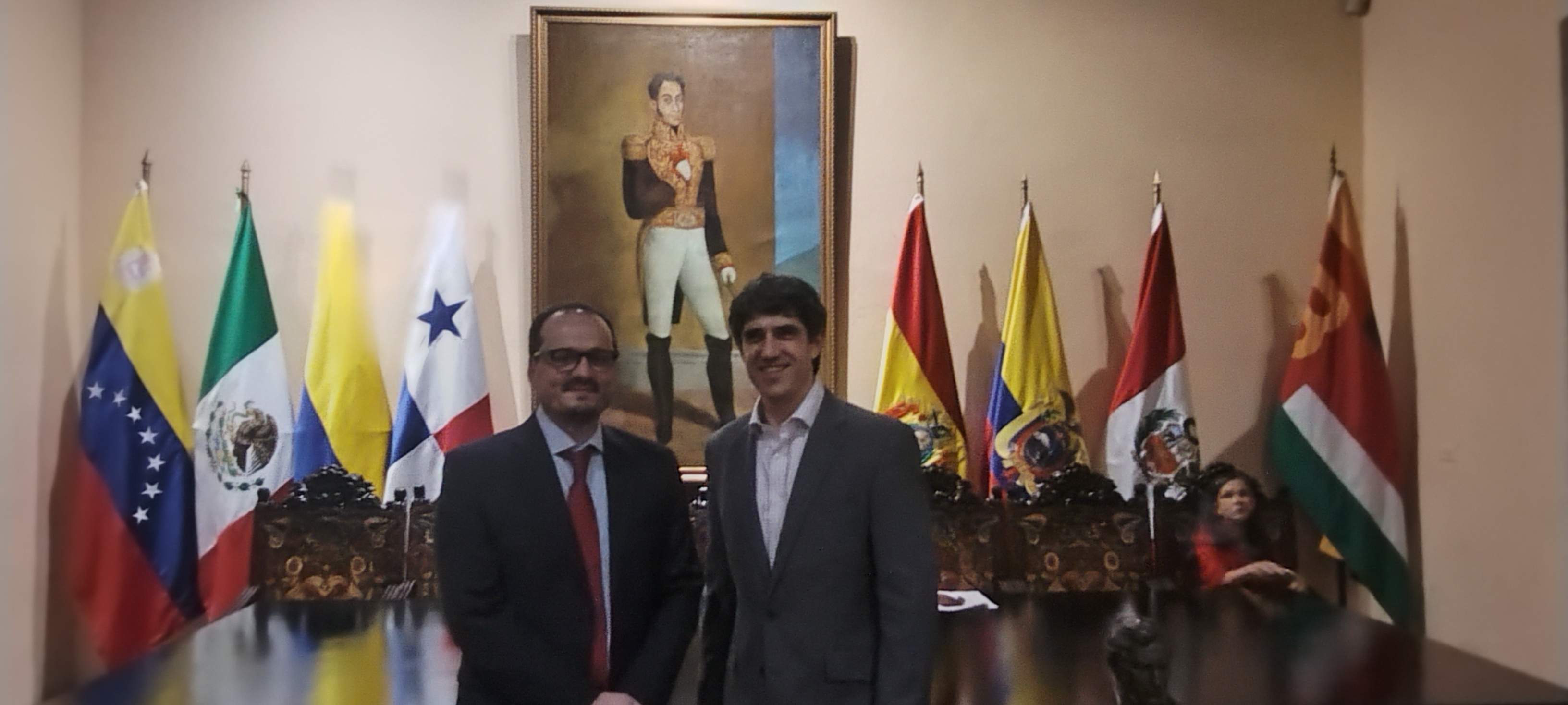
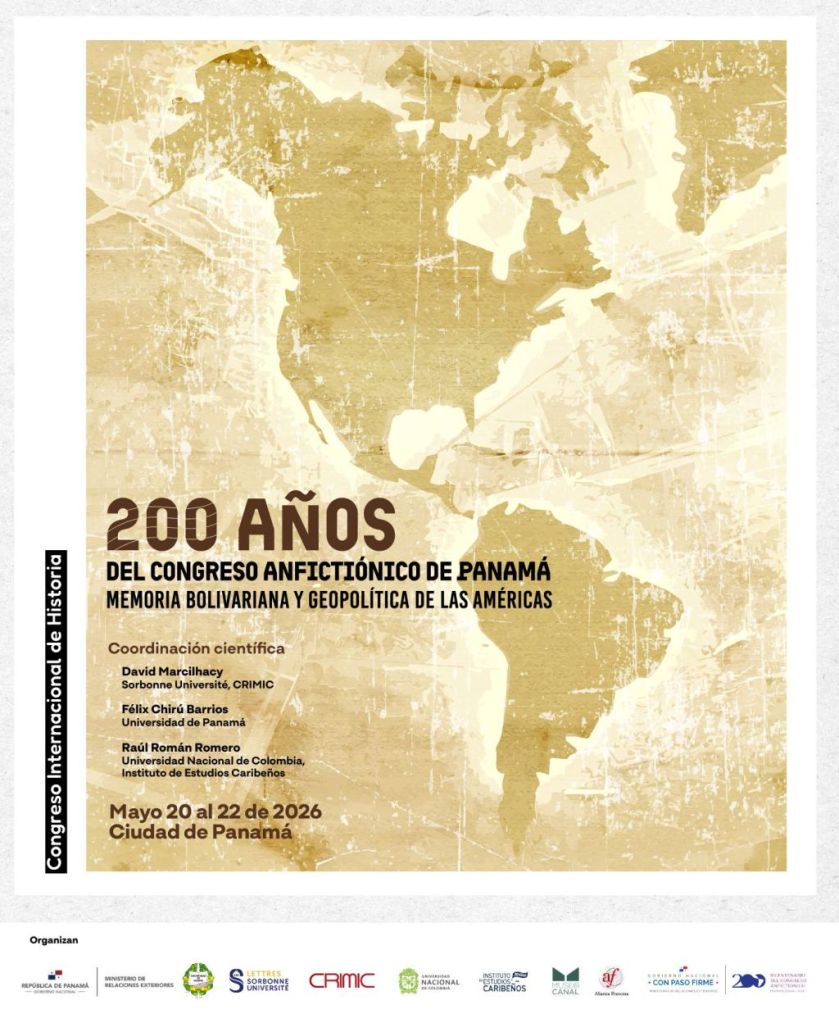
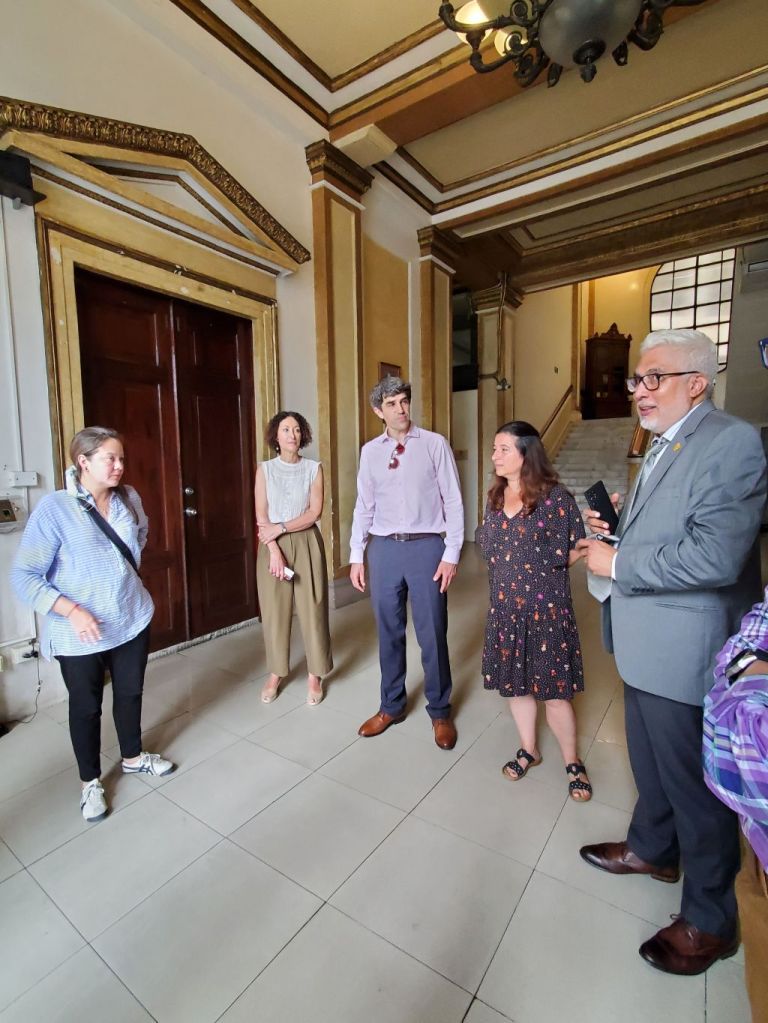
Two weeks later, Carsten and I travelled to Panama City for an excellent several days of events and talks commemorating the bicentenary. The Vice Minister more than reciprocated the hospitality. The event was organized by David Marcilhacy of the Sorbonne, Félix Chirú Barrios of the University of Panama, and Raúl Román Romero of the National University of Colombia, and also supported by the Foreign Ministry as part of its programs on the bicentenary. We had sessions at the University of Panama and at the Foreign Ministry, as well as a busy schedule of cultural visits and meals (photos below). In a highlight, we had a session in the room that likely played host to the Congress, and has been preserved for special events within the Foreign Ministry. For me, it was wonderful to be back in Panama and in this building, given that I spent weeks in the archives of the ministry while I was working on my PhD.
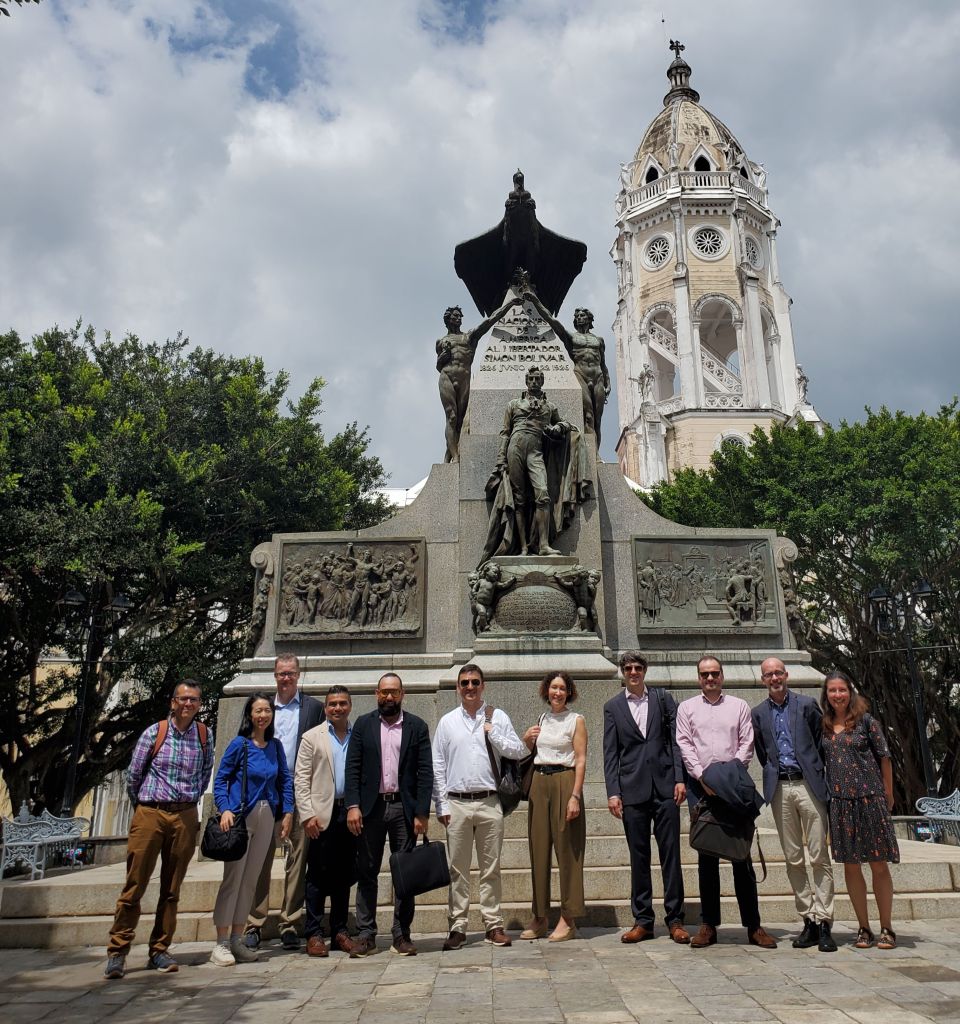
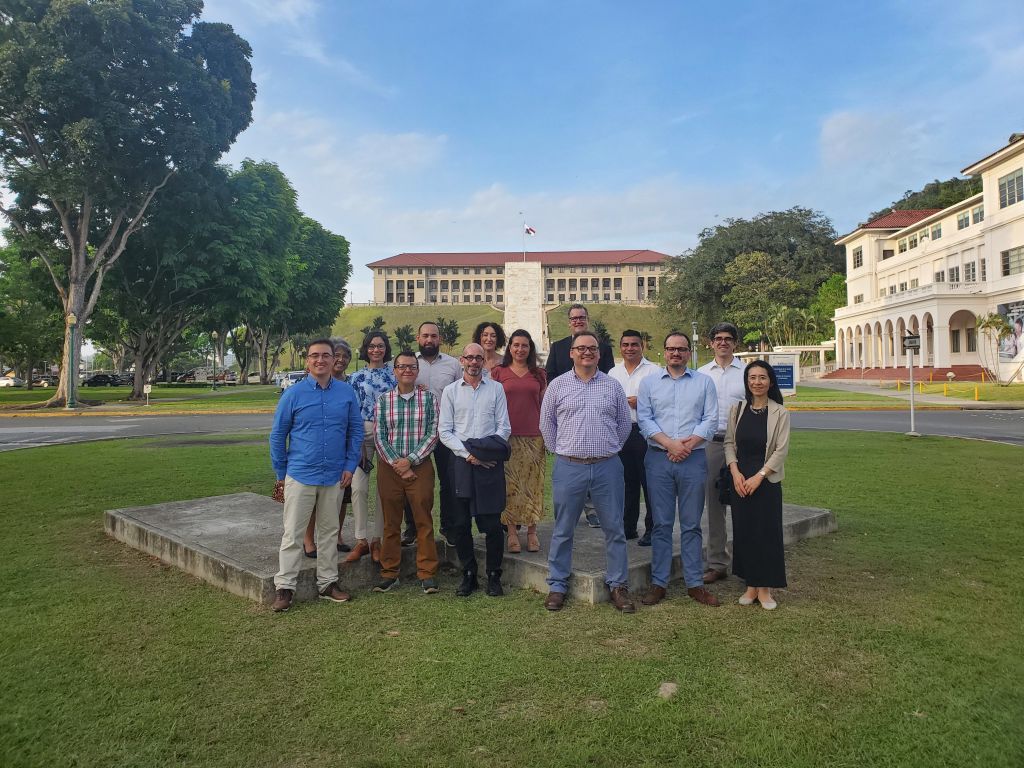
Finally, on July 1, I participated in an online discussion hosted by Pan American Strategic Advisors and Young Professionals in Foreign Policy. The virtual panel included Ana Irene Delgado, Panama’s ambassador to the OAS, former U.S. ambassador to the OAS Frank O. Mora, and former National Security Council director for Latin America, Professor Rirchard Feinberg, along with Adam Ratzlaff of PASA.


Very interesting! Great to see you in action! And Richard Feinberg! Glad the panel members are concerned and sharing about the positives & negatives in the organizations & situations in the Western Hemisphere. I hope the US pays the OAS in August.