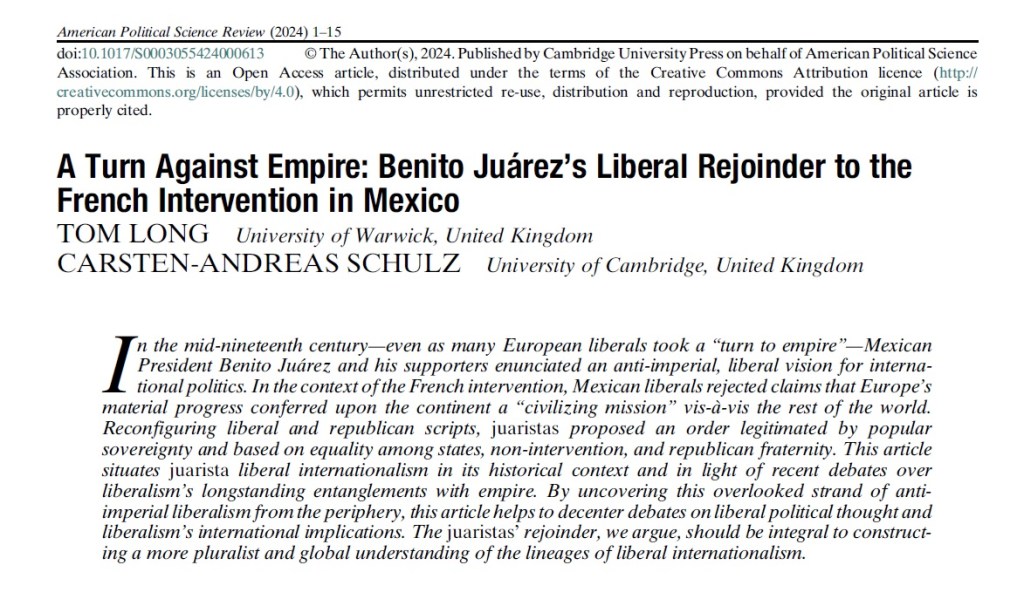
Carsten-Andreas Schulz and my article on the liberal internationalism of Mexico’s Benito Juárez is out in the American Political Science Review, the leading journal in the field. In our article, we describe how domestic political strife and international interventions in the 1860s shaped the juaristas’ republican vision of international order—one based on the rule of law, equality, and republican fraternity. Too often, both supporters and critiques see liberal internationalism as an essentially Anglo-American project, one associated with Woodrow Wilson and the aftermath of the two world wars. By digging into Mexican political thought decades earlier, we tell a new and more global intellectual history of liberal internationalisms, in the plural.
In the 1860s, Latin Americans faced a flurry of imperial incursions. These episodes coincided with European liberals embrace of imperialism to uplift supposedly “backwards” peoples—a phenomenon Jennifer Pitts termed the “turn to empire.” The French intervention in Mexico stands as one of the most pernicious examples, though certainly not the only one.
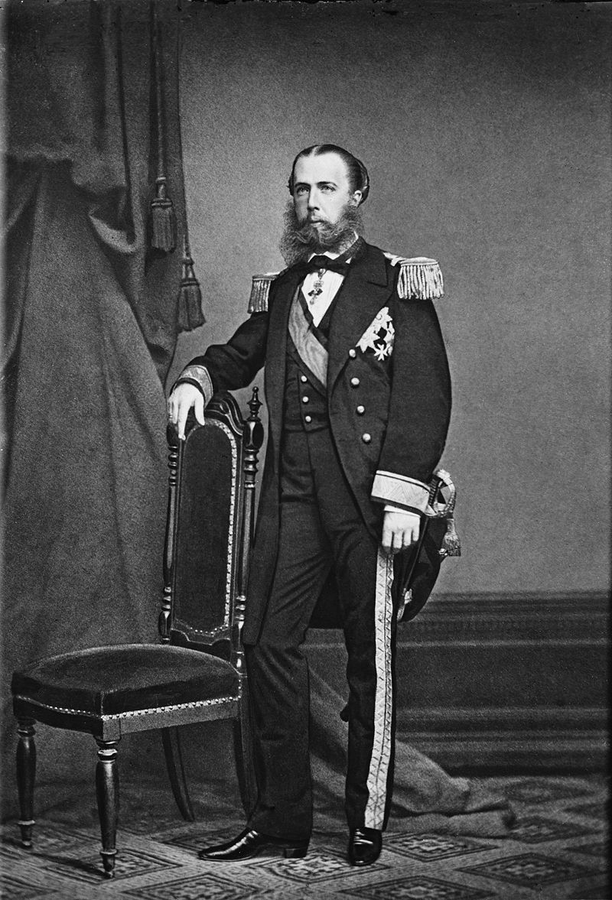
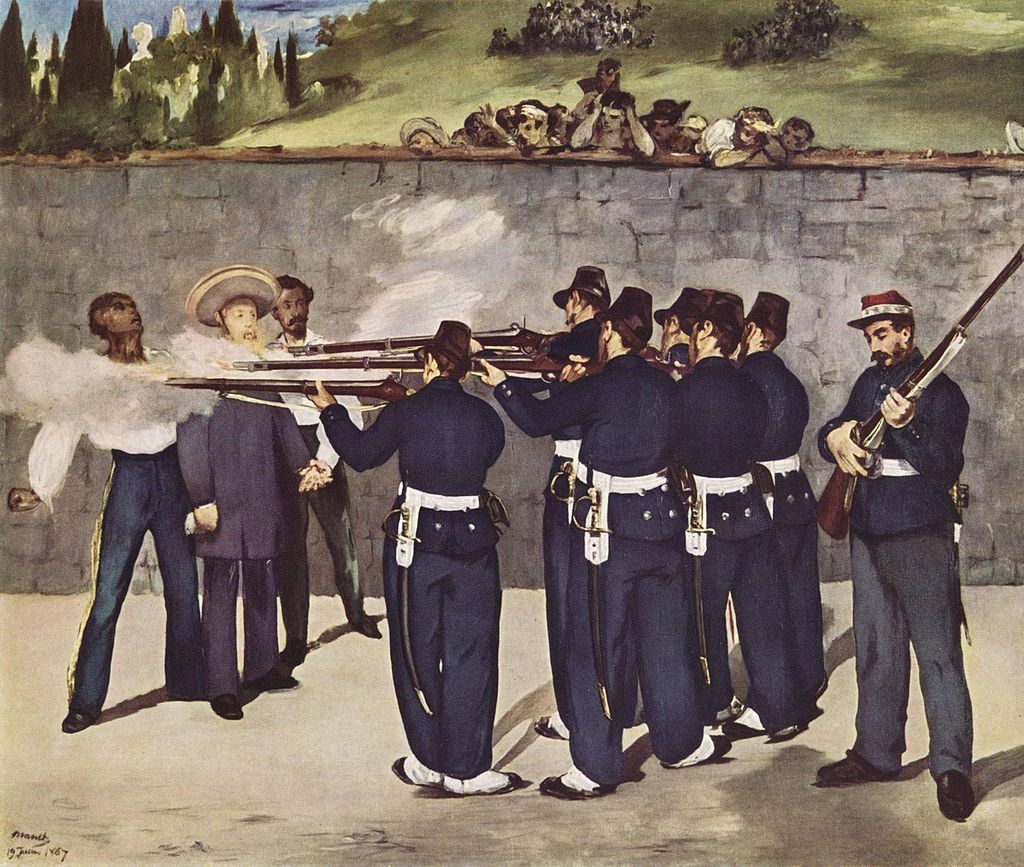
In Mexico, reforms had sparked a civil war between conservatives and liberals, led by Benito Juárez (below, right), a Zapotec orphan from Oaxaca. Juárez’s coalition emerged victorious but his government was deeply indebted, prompting a moratorium on foreign debt payments in 1861. This moratorium triggered an intervention by Britain, France, and Spain. While Britain and Spain soon withdrew, Napoleon III conspired with Juárez’s opponents to install a monarchy in Mexico, headed by Archduke Maximilian of Austria (below, left). Mexican liberals resisted a French army and Maximilian’s reign until 1867, when the Habsburg was captured, tried, and executed. The event inspired Manet’s famous (and long-censored) series of paintings, The Execution of the Emperor Maximilian (at the bottom). An ardent republican, the painter uses the soldiers’ uniforms and perspective to blame Napoleon III and invite the viewer to accompany the firing squad.

In our article, we explore how Mexico’s juaristas enunciated their own ideals for the organization of world politics, and how this vision gained coherence in response to European liberals’ racialized discourse and their defense of intervention under the guise of advancing civilization. In doing so, we provide a novel account of the origins of Mexico’s (and Spanish America’s) distinct internationalist tradition, as well as an early liberal critique of imperialism from the Global South. The article is available Open Access now, at the American Political Science Review.

 Tom Long, PhD